Understanding the Self-Employed Health Insurance Deduction Worksheet
For self-employed individuals, managing health insurance costs can be a significant concern. Unlike traditional employees who often receive health benefits through their employers, self-employed individuals must navigate their own health insurance options. This can lead to confusion regarding tax deductions and how to effectively manage these expenses. One essential tool that can simplify this process is the self-employed health insurance deduction worksheet.
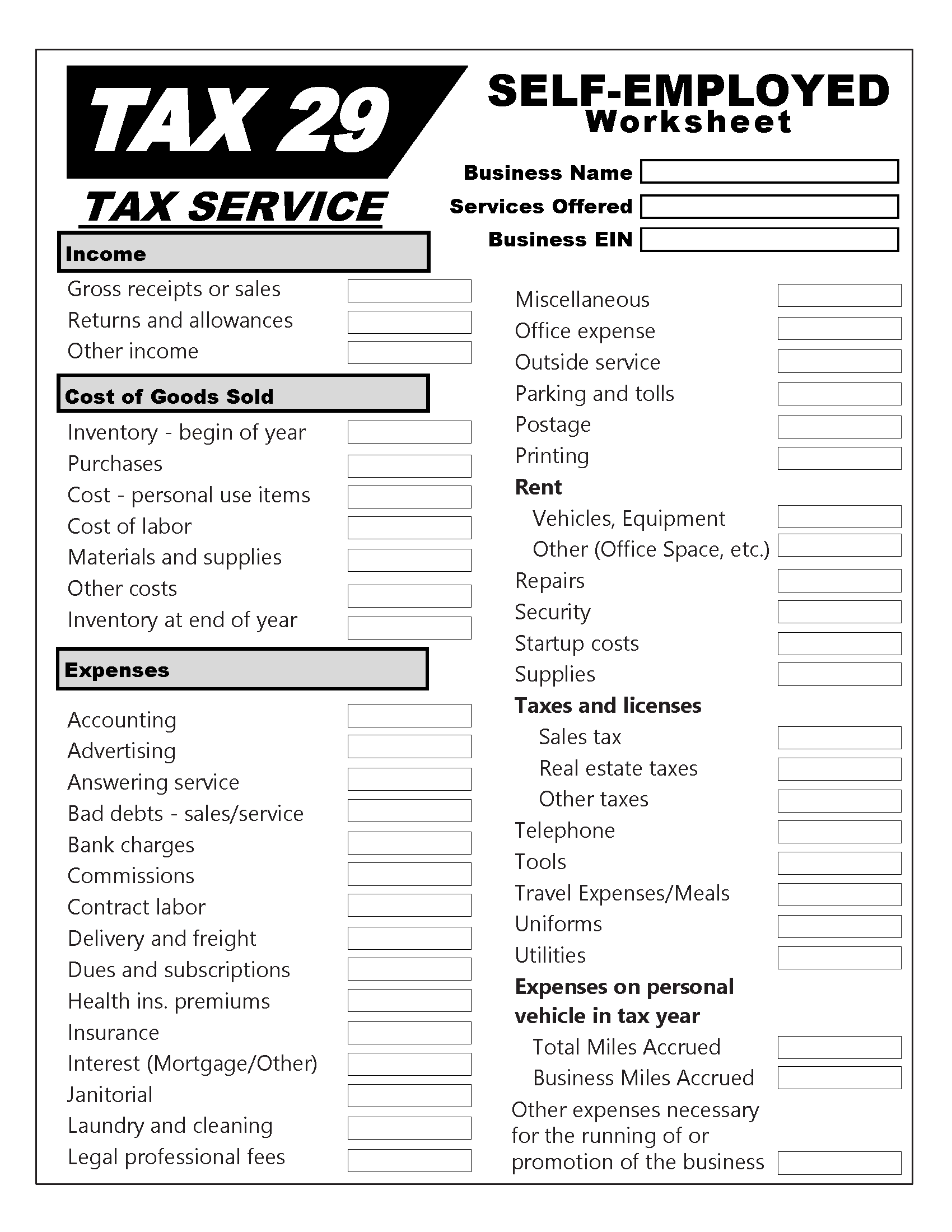
The self-employed health insurance deduction allows eligible individuals to deduct premiums paid for health insurance from their taxable income. This deduction can significantly reduce the overall tax burden for self-employed workers, making it crucial to understand how to utilize the worksheet effectively. By accurately documenting health insurance expenses, self-employed individuals can ensure they maximize their deductions and maintain compliance with tax regulations.
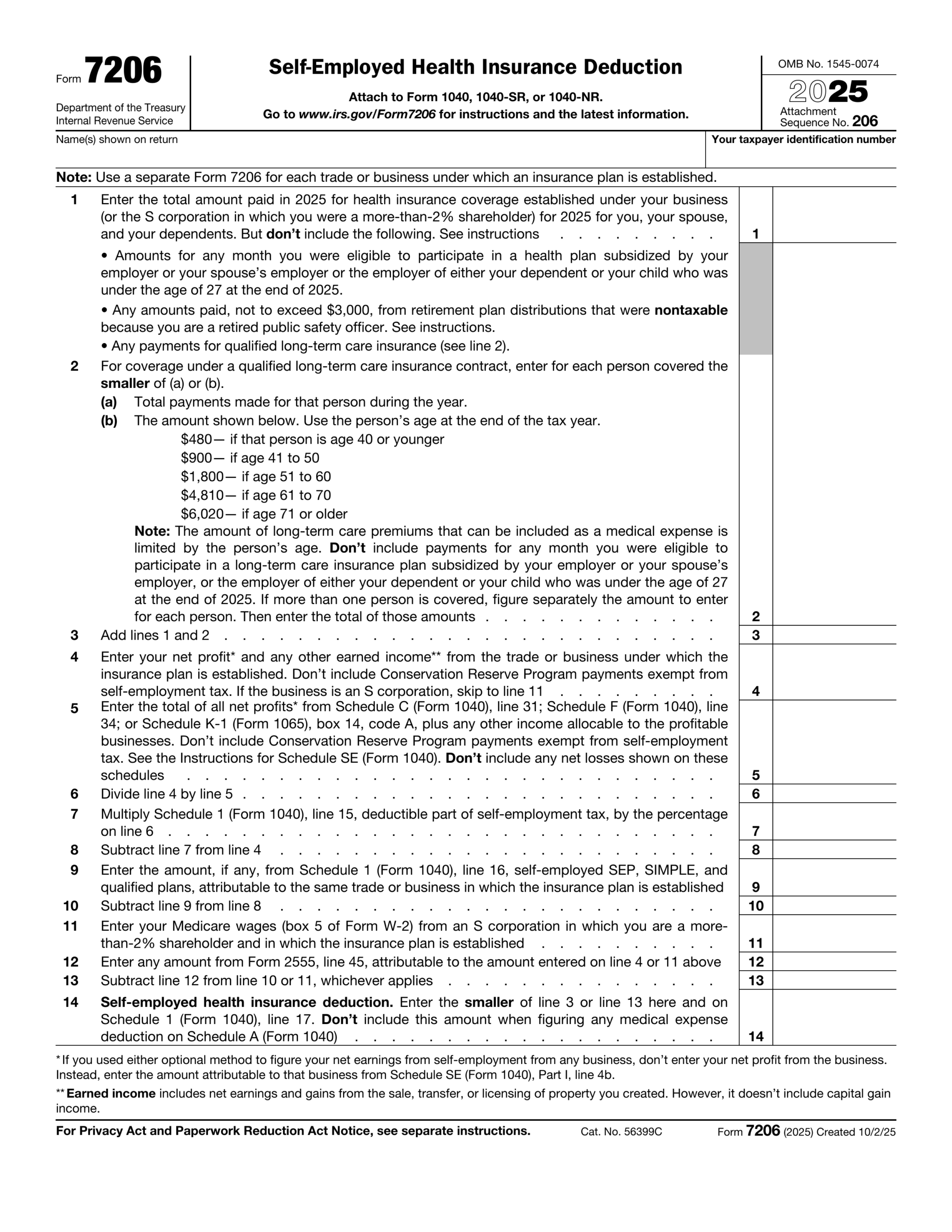
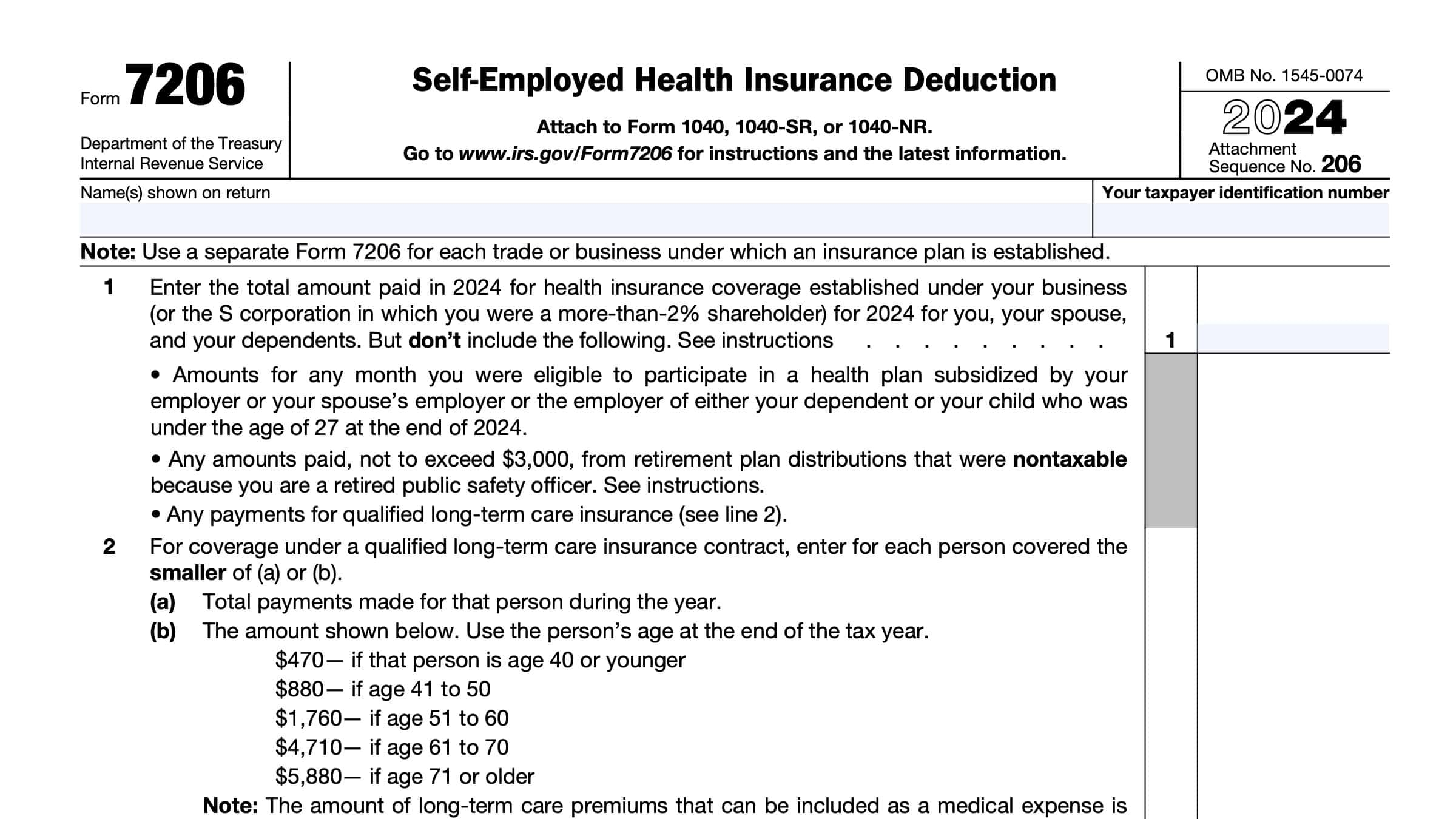
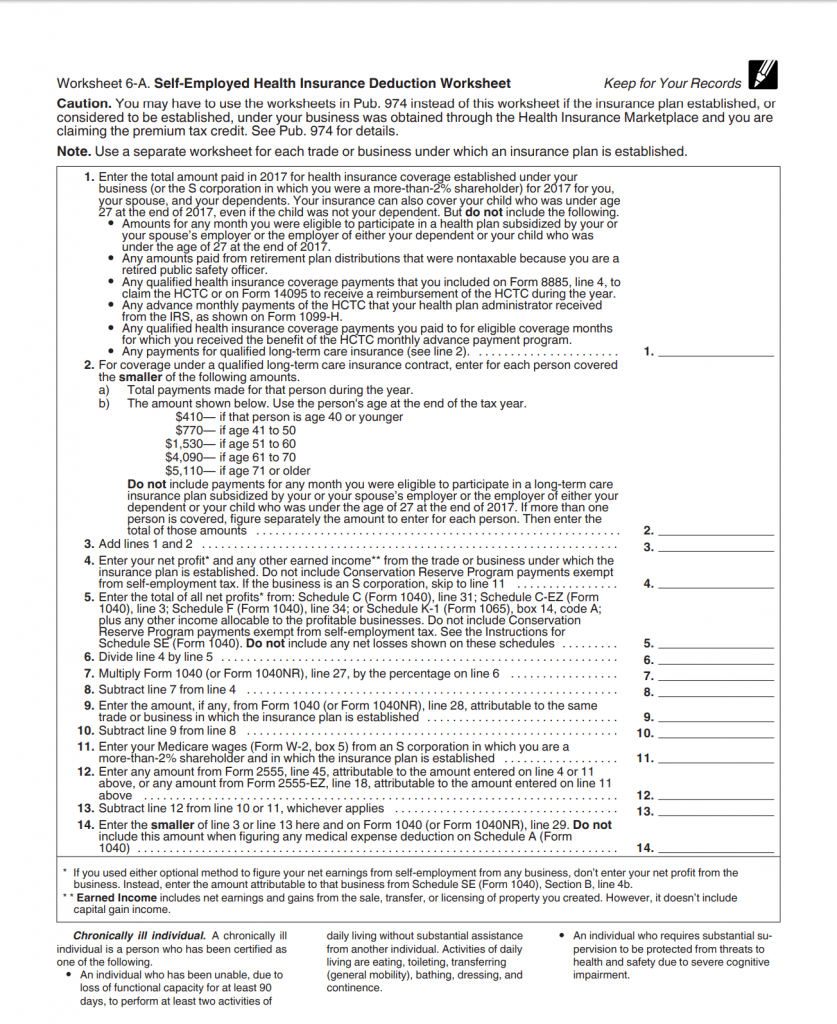
Self-Employed Health Insurance Deduction Worksheet
The self-employed health insurance deduction worksheet serves as a structured guide for tracking and calculating health insurance premiums. It typically includes sections for listing various types of health coverage, such as medical, dental, and long-term care insurance. By organizing this information, self-employed individuals can easily determine the total amount eligible for deduction.
To begin using the worksheet, self-employed individuals should gather all relevant documentation, including premium statements and invoices. It is essential to differentiate between personal and business-related expenses, as only premiums paid for coverage that extends to the taxpayer, their spouse, and dependents are deductible. This distinction helps in accurately filling out the worksheet and ensuring compliance with IRS guidelines.
Once all necessary information is compiled, individuals can proceed to fill out the worksheet. Each section will require specific details about the type of coverage, the amount paid, and the period covered by the insurance. After completing the worksheet, taxpayers can transfer the total deductible amount to their tax return, which can lead to substantial savings during tax season.
Additionally, it is important for self-employed individuals to stay informed about any changes in tax laws that may affect their eligibility for deductions. Regularly reviewing IRS publications or consulting with a tax professional can provide valuable insights into maximizing health insurance deductions and ensuring compliance with current regulations.
In conclusion, utilizing a self-employed health insurance deduction worksheet is an effective way for self-employed individuals to manage their health insurance costs while maximizing tax benefits. By keeping accurate records and understanding the deduction process, taxpayers can alleviate some of the financial burdens associated with healthcare expenses. This proactive approach not only simplifies tax preparation but also contributes to overall financial well-being.
Download and Print self employed health insurance deduction worksheet Listed below